Home
HEMED Webdoc
HEMED Webdoc
Start the module (update 21/03/2022)
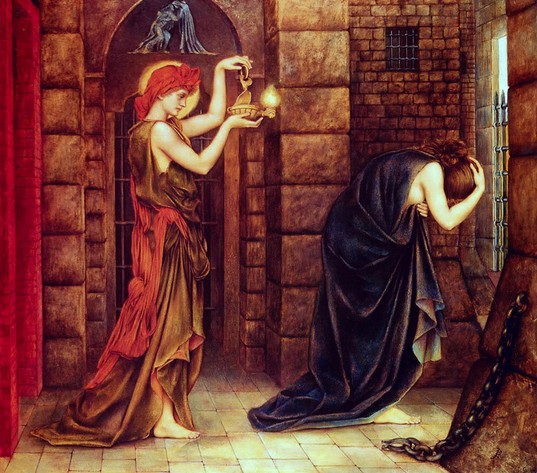
Mystical experience in religion is no doubt not the easiest phenomenon to grasp. Far from being the product of intellectual abstraction, it is a journey, often personal, the expression of which, when it is not simply hidden, uses and abuses the symbols and hyperboles belonging to a certain poetic language which brings with it significant problems of hermeneutics. Mystical experiences are expressed in all religions, and in spite of the fundamental divergence between the immanent religions of the Asian Sub-continent, East Asia, Oceana, Africa and America on the one hand, and on the other, the transcendent religions, in particular, the three principal monotheistic religions, Judaism, Christianity and Islam, mystical experiences in their development, their practices, even the words to describe them, intersect in the most fascinating way.
Start the module (update 21/03/2022)
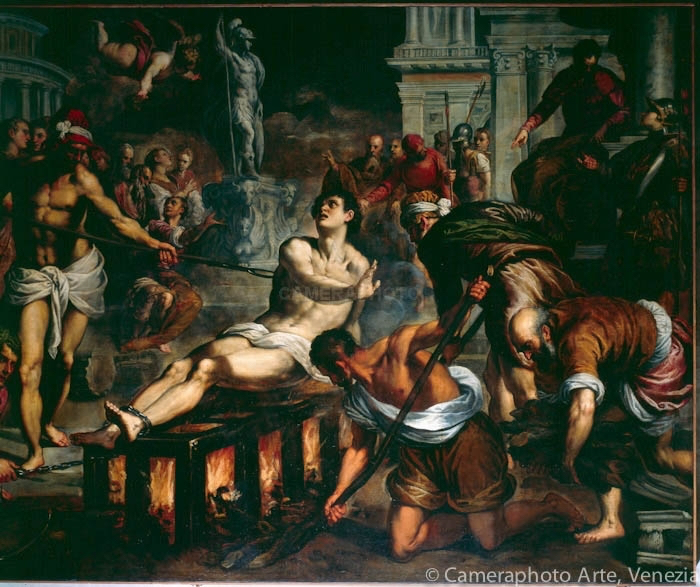
During the course of previous centuries and into the contemporary era, religious as well as political authorities have appealed to divine transcendence in order to justify acts of violence. In contrast, other religious authorities have made efforts to redirect, limit or ban violence. In order to understand the way in which the dynamics at play operate in the peace/war dialectic of religions, it is essential to take an historical perspective of the phenomenon, to distinguish between the reference texts and their interpretation, the context of episodes of conflict or pacification, and the practices of individuals and collectives. In this way we can shed light on the major tensions that can lead to acts of violence, especially of war.
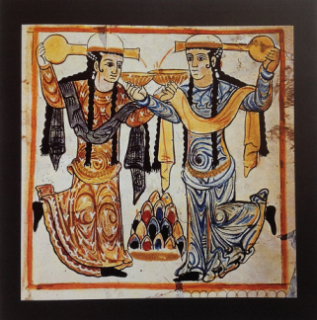
Throughout 25 centuries of questioning figurative representation, believers of different faiths have pondered three questions: how is one to represent what is conceived of as transcendent? Is the restitution of the creative act upon living things by pen, brush or any other tool permissible? What kind of relationship should the believer maintain with such a representation? The interest of this issue’s history consists in showing that each religious tradition has, in response to time and place, actually held diverging positions. Three salient moments stand out: the 7th-6th centuries BCE when the ban is spelt out in writing alongside stories that show that it was not ever thus; the 7th century during which the main theoretical tenets of the religious relation to images are framed for Jews, Christians and Muslims alike; the 19th-20th centuries, marked by the growing impossibility, both for technical and political reasons, to control the flow of representations.